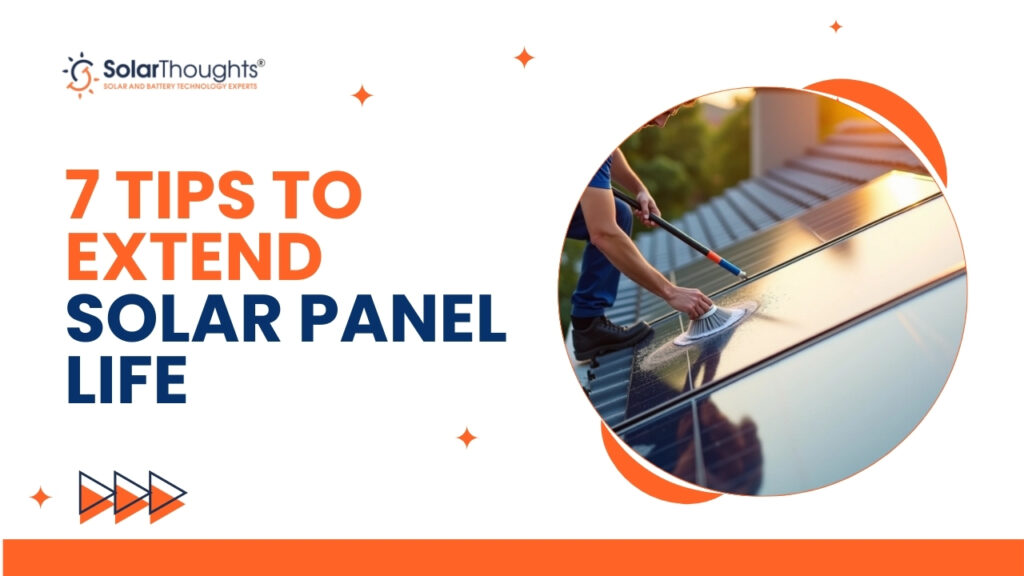
Solar panels are designed to last for decades, but without proper maintenance, their performance can slowly decline. At SolarThoughts®, we often see Brisbane homeowners invest in solar energy without fully understanding how to protect their system over the long term. A well maintained solar system produces more power, delivers better savings, and avoids unnecessary repair costs.
Table of Contents
ToggleWith simple checks, regular cleaning, and professional inspections, you can extend the life of your solar panels and keep them running at peak efficiency. In this blog, we share 7 practical maintenance tips to help your solar system perform reliably for years to come.
1. Clean Your Panels the Right Way
Keeping your solar panels clean is essential for maintaining energy output. Dust, bird droppings, and debris can reduce performance by up to 40 percent, directly affecting your savings. Regular cleaning helps your system operate at peak efficiency.
Use soft brushes or low pressure water to protect the panel surface and its anti reflective coating. Rinse panels first to remove loose dirt, then gently clean with a soft brush and mild soap if needed. Finish with a thorough rinse to prevent residue and water spots. Never use pressure washers, as they can damage panel seals and internal components.
Clean panels during early morning, late afternoon, or cloudy conditions. Cooler panels reduce the risk of cracking and help prevent streaking. Morning moisture can also make dirt easier to remove.
If your roof is steep or difficult to access, professional cleaning is the safer option. Trained technicians use proper safety equipment and can also spot early signs of damage. While rain helps with light cleaning, homes in dusty or coastal areas may need more regular maintenance.
2. Monitor System Performance Regularly
Keeping track of your solar system’s performance gives you confidence that your investment is working properly. Performance monitoring differs from physical maintenance—it’s about watching the numbers to spot potential issues before they become expensive problems.
Use inverter or app-based monitoring
Your solar inverter provides valuable information about how well your system is performing. Modern inverters offer monitoring through apps or web dashboards that show energy production, consumption, and system health.
Start with the basics by checking your inverter display panel regularly:
- System status or operating mode
- Current power generation
- Daily electricity production
- Any fault codes or alerts
Most manufacturers provide dedicated monitoring apps that store your system’s historical performance data. Popular options include SolarEdge’s mySolarEdge, Fronius Solar.web, and other manufacturer-specific platforms. These tools help you:
- View real-time power flow with clear graphs
- Compare today’s production against historical data
- Access performance information from anywhere via smartphone
- Receive notifications about system faults
Without proper monitoring, you could lose hundreds of dollars annually from equipment failures or underperforming panels without realizing anything is wrong. Apps that send alerts for maintenance needs or faults help you address problems quickly.
Watch for sudden drops in output
Checking your system’s energy output regularly helps you catch concerning performance drops early. Sudden, unexplained decreases in power generation often signal issues like dirty panels, new shading, or equipment problems.
Here’s what to watch for: Your monitoring app shows your system produced only 15 kWh yesterday when it normally generates 30 kWh this time of year, despite clear weather all week. This dramatic drop needs immediate investigation.
Other warning signs include:
- Inconsistent readings or strange data patterns
- Production graphs showing unexpected spikes and drops during sunny periods
- Significant differences between current and historical production in similar weather
Remember that panels naturally lose about 1% efficiency each year through normal aging, but sudden drops indicate problems that need attention.
Check for error codes or alerts
Your inverter communicates problems through error codes and warning lights on the display or in your monitoring app. These codes help identify specific issues affecting your system’s performance.
Red or flashing fault lights mean your inverter has detected a serious issue and may have shut down completely. Yellow or amber warning lights suggest your system is still running but at reduced capacity.
Common error codes worth knowing include:
- Grid voltage errors (like ABB W003 or SMA Grid Incident 101) indicating grid connection issues
- Insulation resistance warnings (like ABB E025 or SMA 3501) pointing to insulation faults
- Communication errors showing lost connection to the monitoring system
- DC voltage issues that might indicate panel problems
When you see an error code, check your system manual to understand what it means. For persistent or serious errors, contact a licensed solar technician for proper diagnosis and safe repair.
Monitored solar systems are inherently safer. The best monitoring uses automated algorithms to predict expected output and alert you when performance drops significantly. This approach prevents unnecessary service calls and provides valuable evidence for warranty claims.
Effective monitoring turns potentially costly equipment failures into manageable repairs through early detection and timely action. Regular performance monitoring protects your investment and keeps your system generating clean energy efficiently for years to come.
3. Schedule Professional Inspections
We believe that expert inspections form the backbone of proper solar system care. While regular cleaning and monitoring help tremendously, trained professionals catch issues that might slip past even the most diligent homeowner. These assessments protect your investment and ensure peak performance for decades ahead.
Recommended solar panel maintenance schedule
Professional maintenance timing varies slightly among industry experts, but the consensus is clear—regular inspections are essential. Most authorities recommend professional servicing at least every two years. Some industry experts suggest annual inspections for optimal performance and safety assurance.
Your Brisbane location and specific circumstances might require more frequent attention:
- Proximity to coastlines: Systems near oceans face increased corrosion risk from salt exposure
- Areas with heavy vegetation or dust: These conditions accelerate panel soiling
- System age: Older installations often benefit from more regular inspections
- Previous maintenance history: Systems with past issues warrant closer monitoring
Your original installer should have provided a recommended maintenance schedule during installation. Without specific guidance, biennial inspections provide solid protection for most residential systems.
Immediate professional inspection becomes necessary when you notice:
- Unexpected drops in energy production
- Visible damage to system components
- Error codes displayed on your inverter
- Safety concerns like unusual noises or smells
What a professional service includes
Professional solar inspections go well beyond basic cleaning. A qualified technician’s thorough service typically includes:
- Electrical testing – Technicians assess voltage, current, and insulation resistance across system components to verify proper functioning
- Panel inspection – They examine for defects including micro-cracks, hot spots, discoloration, and delamination that could affect performance
- Inverter assessment – Technicians check inverter readings, inspect for overheating signs, and review fault history to identify recurring issues
- Safety verification – This includes testing all switches, isolators, and safety devices to ensure they operate correctly when needed
- Structural integrity check – Experts verify that mounting rails, clamps, and attachments remain secure, especially after extreme weather
- Debris removal – Accumulated leaf litter and other debris is cleared from under panels and around the inverter to prevent fire hazards
- Performance analysis – Some services include advanced diagnostics like infrared imaging to detect hot spots or performance ratio calculations that quantify system efficiency
Quality technicians provide detailed reports documenting their findings, including what was checked, issues discovered, solutions implemented, and recommendations for future maintenance. These reports prove invaluable for warranty claims and planning future system upgrades.
How to find a certified technician
At SolarThoughts®, we always recommend starting with your original installer when possible. They already know your specific system and may offer maintenance services as part of ongoing support agreements. Check whether using third-party services might affect your warranty protection before scheduling.
When your original installer isn’t available, seek a licensed A-grade electrician with solar specialization. The Clean Energy Council (CEC) maintains a database of accredited solar professionals throughout Australia. Solar Accreditation Australia (SAA) certification indicates technicians have undergone specialized training in solar PV systems.
Consider asking potential service providers:
- How long they’ve been working with solar systems
- What specific tests they’ll perform during inspection
- Whether they’ll provide a detailed written report
- If they carry appropriate insurance coverage
- About their familiarity with your specific equipment brands
Government inspection programs offer additional verification of system safety and compliance. The Clean Energy Regulator conducts inspections on a statistical sample of small-scale renewable energy systems each year. Participation is voluntary but provides valuable third-party verification at no cost to system owners.
Remember that qualified solar technicians possess electrical licenses plus specific solar training. Avoid hiring general “solar cleaners” who lack electrical qualifications—their limited services might miss critical safety issues and potentially void warranties.
4. Keep Panels Free from Shade and Debris
Shade and debris quietly steal energy from your solar system. Even partial shading on just one panel can compromise the output of your entire solar array. Managing these obstacles properly helps maintain optimal energy production throughout your system’s 25+ year lifespan.
Trim overhanging branches
Trees near your solar installation cast shadows that reduce system efficiency. As trees grow taller over time, their shading impact worsens, turning what was once a minor issue into a major performance problem.
Smart tree management keeps your panels productive:
- Trim with purpose: Regular pruning of shadow-casting branches maintains efficiency without sacrificing the environmental benefits trees provide. Focus on selective pruning that allows more sunlight to reach panels while keeping trees healthy.
- Think long-term: Monitor nearby trees that might eventually cause shading issues. Your solar system will operate for decades—giving trees plenty of time to grow into problematic positions.
- Balance wisely: Complete tree removal should be your last option. Carefully planned branch trimming can improve sunlight access significantly while preserving trees’ environmental benefits.
Storm damage and windy weather can send branches into electrical components, creating both performance issues and safety hazards. Regular trimming of vegetation growing near your system provides dual benefits of efficiency and safety.
Watch for seasonal shading changes
The sun’s position shifts throughout the year, meaning areas receiving full sunlight in summer may be partially shaded during winter. This seasonal variation requires ongoing attention to shading patterns.
Winter presents the greatest shading challenges. With shorter days and a lower sun angle, shadows extend much longer, potentially covering panels for extended periods and causing noticeable decreases in power generation compared to summer months.
Seasonal impacts vary by shading source:
- Deciduous trees: Lose leaves in winter, potentially causing variable impacts on energy output throughout the year
- New construction: Neighboring building projects might create new shading issues
- Snow accumulation: Can create both physical coverage and reflective shading patterns
Address these seasonal variations by adjusting your panel angles if your mounting system allows. Otherwise, conduct more frequent trimming during high-growth seasons and stay alert to changes in system output that might indicate new shading problems.
During winter months when the sun sits lower in the sky, even small obstructions can cast long shadows that significantly reduce energy production. This phenomenon can eliminate the financial benefits of installing solar panels if not properly managed.
Use a solar panel maintenance checklist
A regular maintenance checklist ensures nothing gets overlooked in your shade and debris management routine.
Your solar panel maintenance checklist should include:
- Monthly tasks:
- Use monitoring tools to check system performance and identify irregularities that might indicate shading problems
- Ensure indicator lights show normal operation and address any error messages
- Check for visible accumulations of leaves, twigs or other debris
- Quarterly tasks:
- Remove visible debris like leaves
- Inspect for any new sources of shade that have developed
- Schedule cleaning if necessary
- Annual tasks:
- Cut back trees or shrubs casting shadows on panels
- Address array shading issues
- Adjust array tilt for optimal sun exposure if your mounting system allows
Remember that routine maintenance doesn’t just improve performance—it enhances safety. Regular inspections for potential debris, broken components, and shade-related issues create proper safety measures that protect both your system and anyone working around it.
Rainfall does an adequate job keeping panels clean, yet more stubborn debris accumulates over time. Your maintenance checklist should include regular visual inspections to identify when manual intervention becomes necessary.
Following these shade and debris management practices maximizes your system’s performance while extending its operational life—increasing your return on investment for decades to come.
5. Check Inverter and Electrical Components
Your inverter is the heart of your solar system, converting solar energy into usable power and keeping your system safe. Regular checks help prevent failures and maintain reliable performance.
Inspect the inverter for visible damage, dust buildup, pests, or signs of overheating. Make sure ventilation vents are clear and airflow is not blocked. A working inverter should feel warm but never hot. Check the display panel for warning lights, error codes, or unusual noises, as these often indicate underlying issues.
Your system also includes safety features like anti islanding protection, which automatically disconnects solar power during grid outages. This function ensures safety for utility workers and must operate correctly. Basic testing may be possible on simple systems, but professional inspections are recommended, especially for systems with batteries or advanced controls.
For any electrical work or testing, always rely on a licensed electrician. Regular professional inspections help protect your system, your home, and your long term solar investment.
6. Know When Repairs Are Needed
Your solar panels work hard every day to generate clean energy and reduce your power bills. Spotting warning signs early helps you address small issues before they become expensive problems. We believe that understanding these indicators keeps your system running efficiently throughout its expected 25+ year lifespan.
Signs of micro-cracks or snail trails
Micro-cracks represent a form of solar cell degradation that impacts both energy output and system longevity. These tiny fractures create electrical separation within cells, resulting in inactive sections that reduce power generation.
The severity varies—some modules with micro-cracks still meet warranted power over their lifetime. Research indicates losses of approximately 2.5% in panels with numerous cracks that don’t isolate cell parts, yet damage can be much greater when cracks separate portions of cells.
Watch for these warning signs during your regular visual checks:
- Snail trails – Brownish discoloration lines that typically appear near busbars, along panel edges, or around micro-cracks
- Hot spots – Areas where damaged cells create increased resistance and temperature
- Discoloration – Yellowing or browning of panel sections
- Burn marks – Dark spots indicating severe hot spot damage
Snail trails (sometimes called snail tracks or worm marks) typically emerge months after installation, particularly in panels with underlying micro-cracks. These marks signal potential efficiency losses—investigations show affected panels can lose up to 9.1% of their power output.
What to do if your system underperforms
Take immediate action when you notice a significant drop in energy production. An unexpected decrease often indicates an underlying issue requiring attention.
Start by checking your inverter for fault records or error codes. Record recent faults, then access running information to review DC parameters. These readings provide crucial insights into panel performance.
Next, monitor your system’s output compared to historical data during similar weather conditions. For precise diagnosis, consider these steps:
- Test short circuit current and open-circuit voltage of PV strings
- Examine panels for visible issues including hotspots, cracks, or shading
- Verify all panels operate under identical conditions (orientation, tilt)
Document everything with photographs of test results and system components. For systems lacking monitoring capabilities, retrofitting monitoring should be considered to gather performance data.
Who to contact for repairs
Your first call should be to your original installer or system provider, especially for warranty-related concerns. They know your specific system and can often resolve issues quickly.
Quality repairs require specific expertise. Ensure any technician working on your system has appropriate credentials:
- Licensed A-grade electricians with solar specialization
- Technicians experienced with your specific equipment brands
- Professionals carrying appropriate insurance coverage
Quality repair services focus on fixing components rather than replacing entire systems. Professional diagnostics might include electroluminescence (EL) imaging to detect hidden micro-cracks invisible to the naked eye.
Keep records of all maintenance and repairs. These documents prove invaluable for future warranty claims and help track system health over time. Many providers offer service plans that include regular system checks every two years—a worthwhile investment for maintaining peak performance.
Remember that attempting electrical repairs yourself risks personal safety and may void warranties. Even seemingly minor issues warrant professional assessment to prevent problems affecting your entire system.
7. Understand Maintenance Costs and Warranties
Smart solar owners plan for the long term, and that includes understanding both maintenance expenses and warranty protection. We believe in helping Brisbane homeowners make informed decisions about their solar investment’s ongoing care.
Typical solar panel maintenance cost
Your annual maintenance expenses typically represent just 1-2% of your original installation investment. For a standard 6kW residential system, budget around AUD 229-300 annually for proper upkeep. These costs break down into several categories:
- Professional cleaning: Ranges from AUD 18.35 per panel for smaller systems to AUD 6.12 per panel for larger installations
- Basic inspections: Start at approximately AUD 382 for a 6.6kW system
- Detailed electrical testing: Costs around AUD 611 for small residential systems
System location, roof access, installation complexity, and age all influence your specific maintenance costs. We find that homeowners who budget for regular care avoid unexpected repair expenses down the track.
What warranties usually cover
Your solar system comes with multiple warranty types designed to protect different aspects of your investment:
Product warranty (10-15 years) protects against manufacturing defects and component failures. Premium manufacturers now extend this coverage to 20-25 years.
Performance warranty (25 years) guarantees minimum power output throughout your system’s life. Standard warranties ensure 80-84% retained power after 25 years, with premium panels guaranteeing up to 92%.
Installation warranty (1-10 years) covers workmanship issues including mounting or wiring problems.
Keep in mind that warranties typically exclude damage from natural disasters, improper maintenance, or unauthorized modifications.
How to avoid voiding your warranty
Protecting your warranty coverage requires attention to proper system care:
- Maintain documentation – Store purchase agreements, installation records, and warranty certificates safely
- Follow cleaning guidelines – Never use pressure washers, abrasive materials, or harsh chemicals on panels
- Use certified professionals – Unauthorized repairs or installations immediately void coverage
- Adhere to installation requirements – Walking on panels or incorrect mounting compromises structural integrity and voids warranties
- Schedule professional maintenance – Regular inspections aligned with manufacturer requirements help maintain warranty validity
We also recommend adding your solar system to your home insurance policy for protection against extreme weather damage. This extra layer of security ensures your clean energy investment stays protected for decades to come.
Conclusion
Your solar panel system is a long-term investment in clean, affordable energy for your Brisbane home or business. With regular maintenance, timely inspections, and proper care, your system can deliver reliable performance and energy savings for decades. Simple steps taken today help prevent costly issues and protect the value of your solar installation.
Need help maintaining your solar system or checking its performance? Contact SolarThoughts® today for professional solar maintenance and expert guidance to keep your system running at its best.