Your hot water system is probably one of the hungriest appliances in your home. If it heats overnight on grid power, you’re paying full price for something your solar panels could do for next to nothing during the day. That’s a lot of free energy going to waste.
Table of Contents
ToggleA solar hot water timer fixes that. This guide explains what a hot water timer is, how it works with your solar, what time to set it, how much it can save, and how it compares to a battery. If you want more value from your panels without a big spend, this is one of the simplest wins available.
What Is a Solar Hot Water Timer?
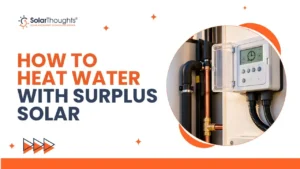
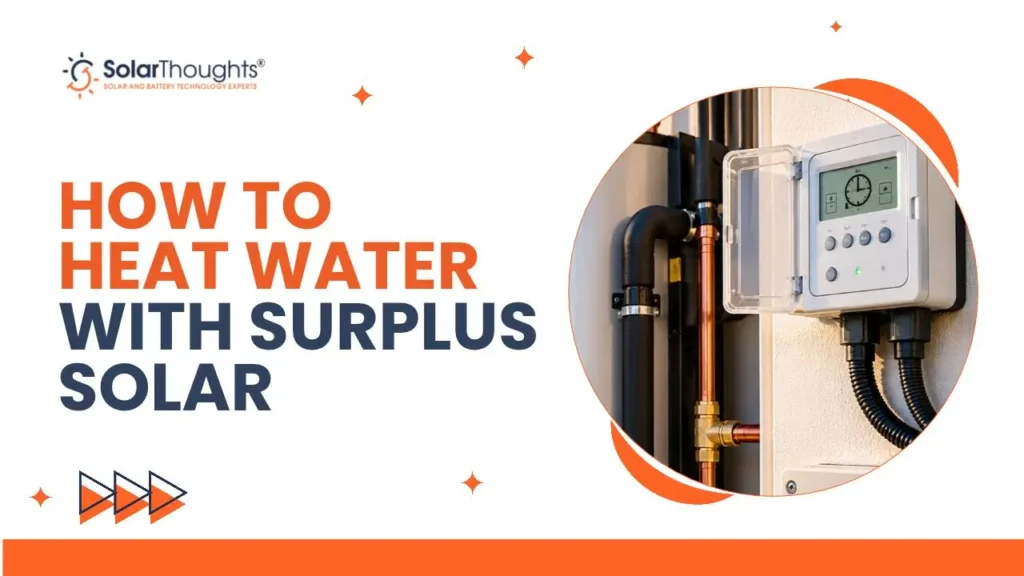
A solar hot water timer is a control that sets when your compatible electric hot water system is allowed to heat. In a home with solar panels, you schedule it for daylight hours, when your panels are generating, so the system heats water using your own solar rather than grid power.
The idea is simple but powerful. Hot water is a large, flexible load, which makes it perfect for soaking up surplus solar. By heating water in the middle of the day and storing it for the evening, you buy less electricity from the grid. Our guide on whether a solar system can reduce your electricity bill covers the broader savings picture.
This matters more than ever in Queensland. With feed-in tariffs low, using your own solar is worth far more than exporting it, as our guide on Queensland feed-in tariffs explains. A hot water timer is one of the cheapest ways to do exactly that.
How Does a Solar Hot Water Timer Work?
A solar hot water timer works by only allowing your hot water system to heat during a chosen daytime window, so it draws on your solar generation. The process is straightforward and runs automatically once it’s set.
- Your panels generate power. During the day, your solar supplies the home, and any generation above your other demand may be spare.
- The timer enables heating. The timer lets the hot water system run during a set window, such as 10:00 am to 3:00 pm.
- Water is heated and stored. A compatible electric storage tank heats the water and holds it for use that evening or the next morning.
- Grid purchases drop. When there’s enough spare solar, heating during the day reduces the electricity you import from the grid.
The key thing to understand is that a basic timer follows the clock, not your solar output. It heats during the window you set whether the sun is blazing or hidden behind cloud, so choosing a good window matters, which we’ll cover next. If you want to understand the energy units behind all this, our guide on the difference between kW and kWh helps.
What Time Should You Set Your Hot Water Timer?
A common starting point is to set your hot water timer for 10:00 am to 3:00 pm, the middle of the day when solar generation is usually strongest. That window gives your panels the best chance of covering the heating load.
The ideal timing isn’t the same for every home, though. It depends on your solar system size, the weather, your tank capacity, how much hot water you use, and your electricity tariff. A larger system or a smaller tank might allow a shorter window, while heavy hot water use might need a longer one. Because a basic timer can’t sense live surplus, it’s worth reviewing the window seasonally as daylight and generation change. Our guide on how many panels you need to run an air conditioner shows how daytime loads interact with your solar.
How Much Can a Hot Water Timer Save You?
A hot water timer can save a typical home around $480 a year by shifting heating from grid power to surplus solar. The exact figure depends on your usage and tariff, but a worked example shows the logic clearly.
Assume an electric resistance hot water system uses 6 kWh a day, and all of it shifts from grid power at 30 cents per kWh to solar that would otherwise earn an 8 cent feed-in credit.
| Item | Illustrative figure |
|---|---|
| Grid electricity avoided | $1.80/day |
| Foregone solar export credit | $0.48/day |
| Net saving | $1.32/day |
| Approximate annual saving | ~$482 |
These numbers are illustrative, and your savings may be lower if solar output is insufficient during the window, if your heater already runs during the day, or if a controlled-load tariff changes the comparison. Even so, for a low-cost change, the return is attractive. Our guide on how to calculate solar savings helps you run your own numbers.
Is a Hot Water Timer Better Than a Battery for Self-Consumption?
A hot water timer and a battery both lift self-consumption, but they do different jobs, and a timer is the cheaper entry point. The timer stores energy as hot water, while a battery stores it as electricity for any use.
For many homes, a hot water timer is a smart first step. Hot water is a big load, so shifting it to daytime captures a large chunk of your surplus solar for a very low cost, with no battery required. A battery then adds more by covering your evening electricity use across all your appliances. The two work well together, and our guide on choosing the right battery size helps if storage is your next move.
Think of it as a ladder. A timer is the low rung that almost any solar home can take, and a battery is the next step up for deeper savings and blackout backup. Starting with the timer costs little and starts saving straight away.
Timer vs Solar Diverter: What’s the Difference?
The difference is that a basic timer heats on a fixed schedule, while a solar diverter detects your actual surplus solar and sends it to the hot water system in real time. Both aim to heat water with solar, but they go about it differently.
| Feature | Basic hot water timer | Solar diverter |
|---|---|---|
| How it decides to heat | Fixed time window you set | Detects live surplus solar |
| Reacts to cloud or low output | No, heats regardless | Yes, adjusts to available solar |
| Cost | Lower | Higher |
| Best for | Simple, low-cost self-consumption | Maximising surplus use |
A timer is the simpler, cheaper option and works well when your system reliably generates surplus in the middle of the day. A diverter costs more but squeezes out more value by only using genuine excess. For most Brisbane homes with decent daytime generation, a well-set timer delivers most of the benefit at a fraction of the cost.
Does a Hot Water Timer Work With Every Hot Water System?
No, a hot water timer is best suited to a compatible electric storage hot water system, the kind with a tank that heats and stores water. It won’t suit every setup, so it’s worth checking yours first.
Electric storage systems are ideal because they can heat during the day and hold the hot water for later. Instantaneous or gas systems work differently and generally aren’t a fit. There’s also a tariff consideration, because if your property is on a controlled-load tariff, the wiring and tariff arrangements need review before you change the schedule, since those tariffs already price off-peak heating differently. Our guide on the benefits of solar in Brisbane covers the bigger self-consumption picture.
If you’re not sure what hot water system or tariff you have, that’s exactly the kind of thing to confirm before making changes, which brings us to the practical points.
What Should You Know Before Installing One?
Before installing or reprogramming a hot water timer, there are a few important points to get right for safety and compliance. Taking care of these up front avoids problems later.
- Use a compatible electric storage system. The timer suits a tank-based electric heater, not instantaneous or gas systems.
- Review a controlled-load tariff first. If you’re on one, the wiring and tariff need checking before you change the schedule.
- Keep hot water storage safe. Heating settings must support safe storage temperatures and meet the manufacturer’s requirements.
- Expect some grid top-up. If solar is insufficient during the window, the system may still import some electricity.
- Use a licensed electrician. Timer programming, wiring changes, and switchboard work should be assessed or performed by a professional.
Get these right and a hot water timer is a safe, set-and-forget way to lift your self-consumption. Because it touches your switchboard and wiring, it’s not a DIY job, which is where a proper install matters.
Want to heat your water with your own solar? Talk to SolarThoughts about a hot water timer and we’ll set it up safely for your home.
Common Mistakes to Avoid
Setting the window too narrow. If the timer window is shorter than your solar surplus period, you miss free energy. Match it to your generation.
Assuming the timer detects solar. A basic timer follows the clock, not your output, so it heats even on cloudy days. Choose the window with that in mind.
Ignoring a controlled-load tariff. Changing the schedule without reviewing a controlled-load setup can cost you, so check the tariff first.
Using it on the wrong system. Timers suit electric storage tanks. Instantaneous or gas systems won’t benefit.
Doing the wiring yourself. Timer and switchboard work is a licensed electrician’s job, both for safety and compliance.
Frequently Asked Questions
What is a solar hot water timer?
A control that schedules your electric storage hot water system to heat during daylight, so it uses your surplus solar instead of grid power.
How does a hot water timer save money?
It shifts heating from grid power to daytime solar you’d otherwise export cheaply, cutting the electricity you buy from the grid.
What time should I set my hot water timer?
A common starting point is 10:00 am to 3:00 pm, adjusted for your system size, tank, usage, weather, and tariff.
How much can a hot water timer save?
Illustratively around $480 a year for a typical home, though it varies with your usage, solar output, and tariff.
Does a hot water timer detect surplus solar?
No, a basic timer follows a set schedule. A solar diverter is the device that detects and uses live surplus solar.
Is a timer or a battery better?
A timer is the cheaper first step for self-consumption. A battery adds more by covering all your evening electricity use.
What’s the difference between a timer and a diverter?
A timer heats on a fixed schedule, while a diverter detects your actual surplus solar and heats in real time.
Does it work with any hot water system?
No, it suits compatible electric storage tanks. Instantaneous and gas systems generally aren’t a fit.
Can I install a hot water timer myself?
No. Timer programming, wiring, and switchboard work should be done by a licensed electrician for safety and compliance.
What if my solar isn’t enough during the window?
The system may still import some grid electricity to finish heating, which slightly reduces the saving.
Conclusion
A solar hot water timer is one of the simplest, cheapest ways to get more from your panels. By heating your water during the day with surplus solar and storing it for later, you cut the grid power you buy and lift your self-consumption, which is exactly what pays off now that feed-in tariffs are low.
Set the window for the middle of the day, check your system and tariff suit it, and have a licensed electrician handle the setup. For a typical home, that small change can save around $480 a year, with no battery required.
Ready to heat your water on sunshine? Contact SolarThoughts to set up a hot water timer and make the most of your solar investment.